Trebor is Robert backwards. That is the whole brand in one word: a specialist who puts his name behind every survey, every method statement, every scaffold that goes up. Twenty-five years reading Portland stone, London stock brick and the soot that decades of London air leave behind. The building was never the problem for Robert. Proving it to an architect or a conservation officer before he had a website was.
The work first
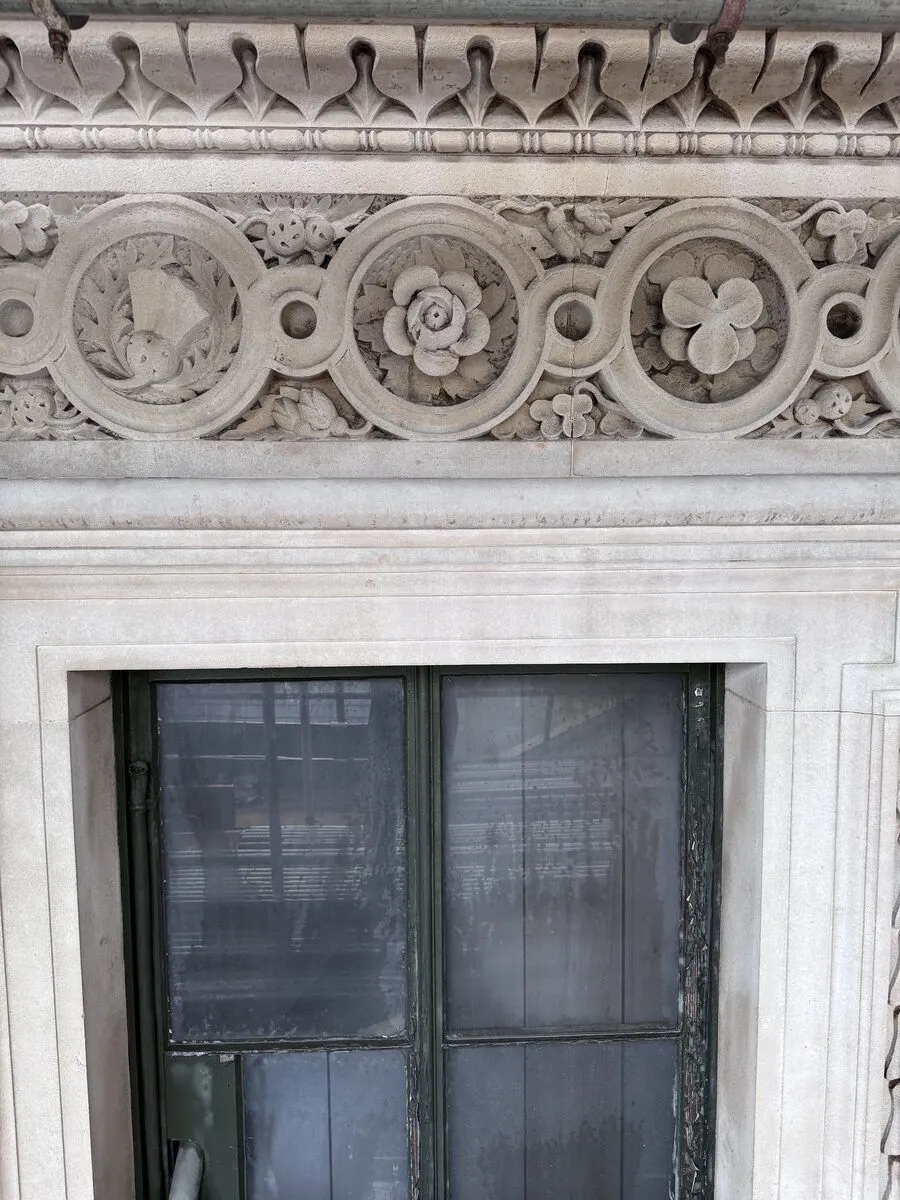
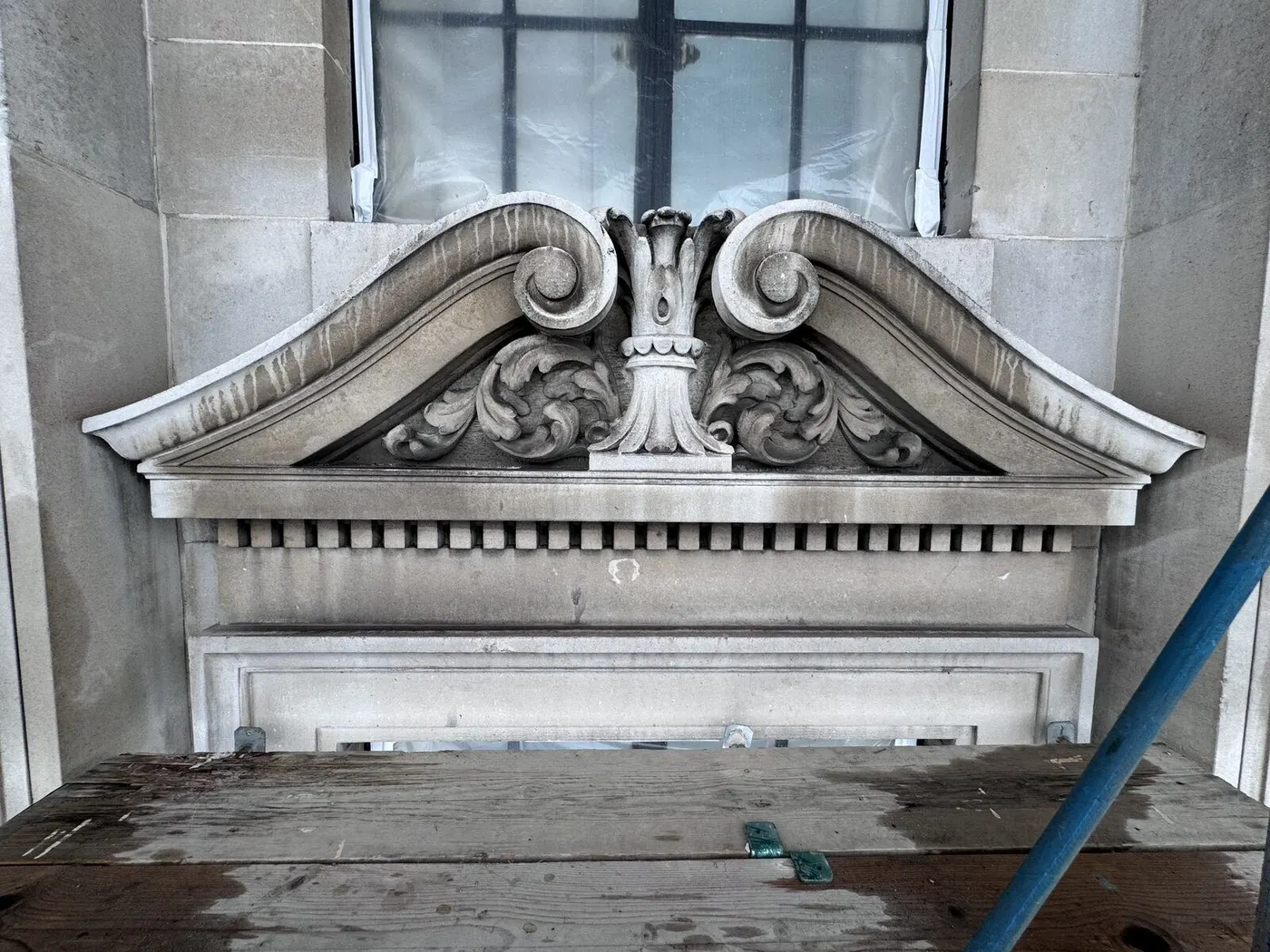
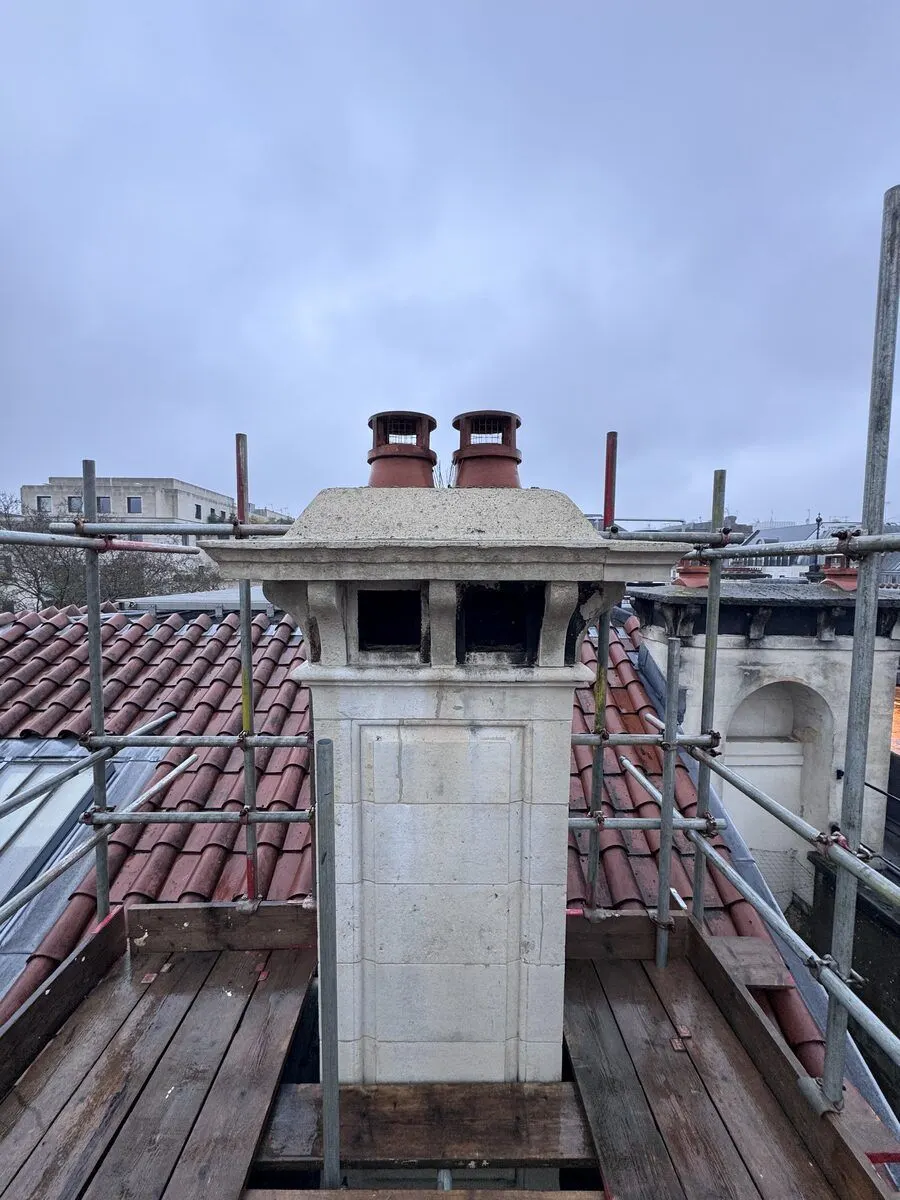
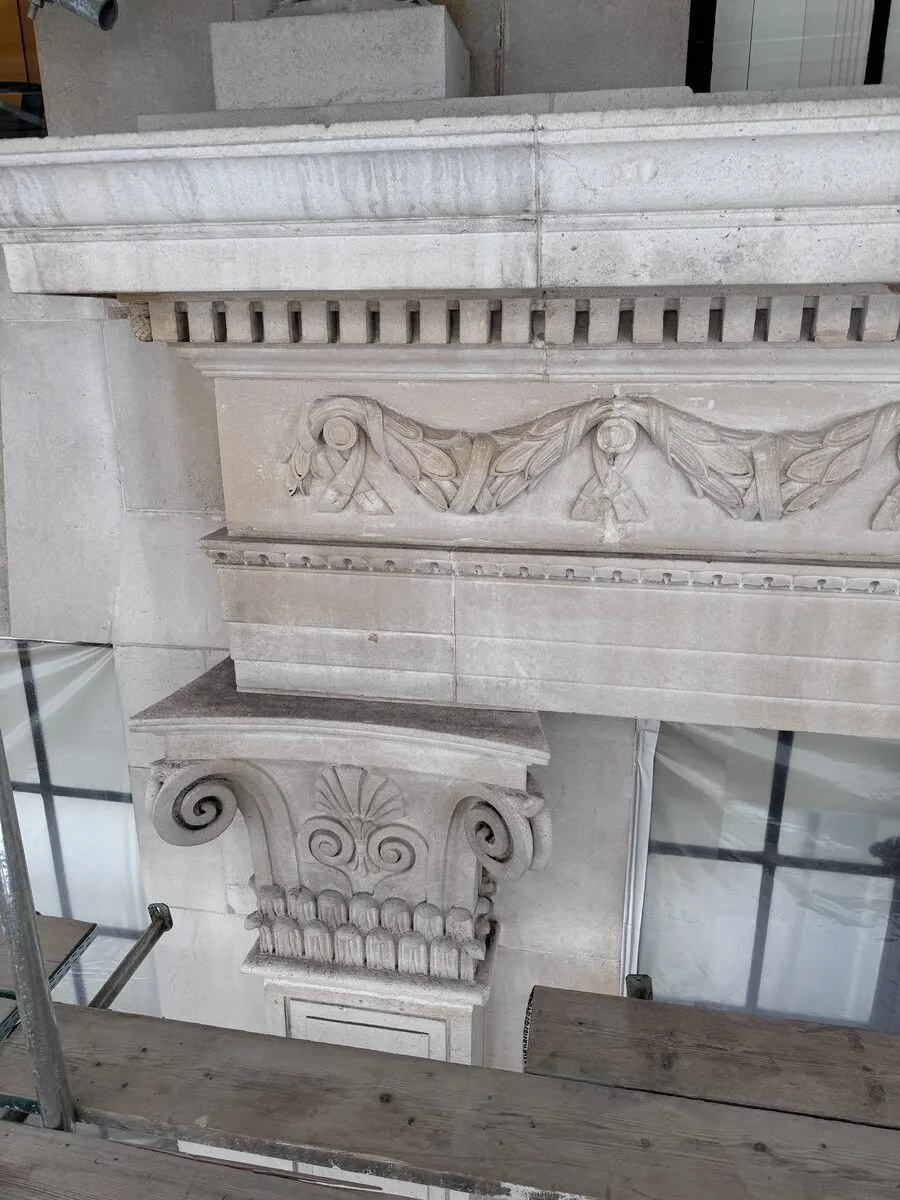
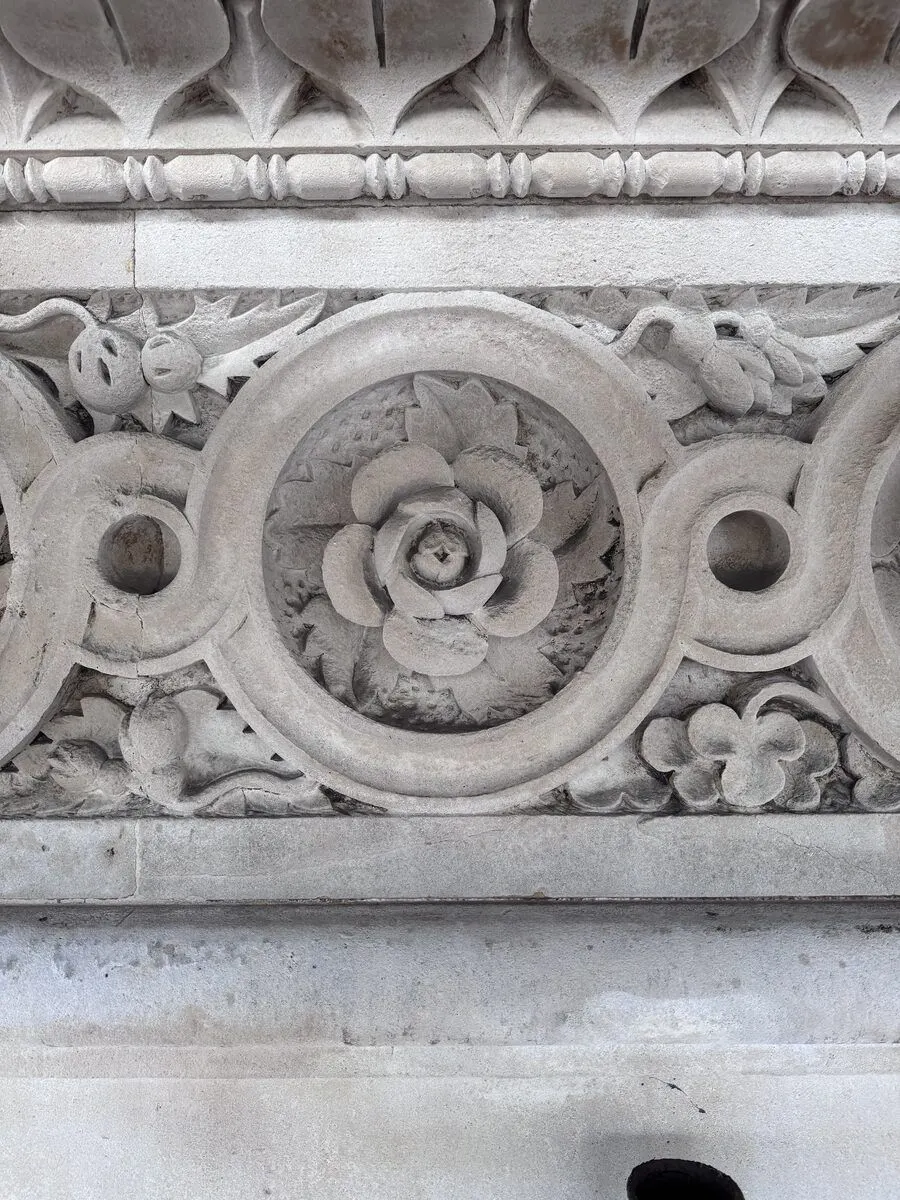
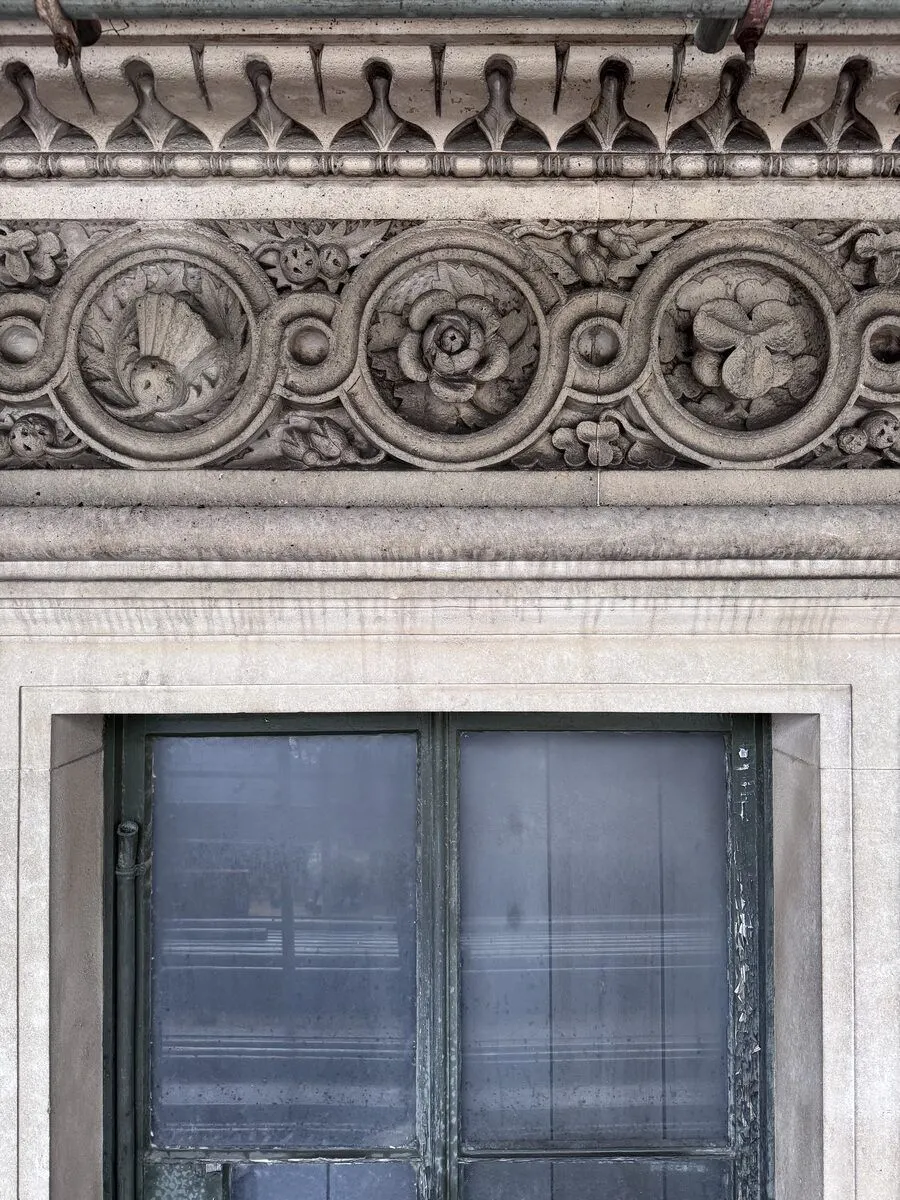
We built the site around four projects Robert had already documented properly: a Grade II listed frieze in the City, a baroque pediment in Westminster, a chimney stack in Central London, and a Grade I listed Ionic column. Each one names the stone, the soiling, the method (DOFF at 150°C, TORC vortex aggregate, lime repointing) and, where it applies, the conservation officer who signed it off. That specificity is the trust signal. Nobody fakes a method statement for a Grade I listed column.
Then the education layer
Nine service pages cover what Trebor does, from stone cleaning to facade restoration, each written to answer the question a building owner has before they call rather than after. Behind those sits The Grain: thirteen long-form guides on DOFF versus TORC, why pressure washing ruins Portland stone, how to read a facade's staining pattern, and more. No competitor in London heritage restoration has an education section at this depth. It was the single biggest opportunity on this build, and Robert had the material knowledge to make it credible rather than generic.
Where it sits now
The site is live at treborrestorations.com, covering four areas of London and the South East. It is early days, so we are not going to quote you traffic or enquiry numbers we do not have yet. What Robert has now is a site that reads a building the way he does: method before claim, evidence before pitch.